

Rewrite the future
Closing the attainment gap for persistently disadvantaged pupils by 2040.
Over a million pupils in England grow up persistently disadvantaged. They rely on financial support like free school meals to meet their basic needs for most of their time in school.
This type of long-term poverty has a real impact on their futures:
22.4months
behind non-disadvantaged peers by the time they sit GCSEs
1in 4
will not be in education or training after Year 11
The
norm
to leave school without a pass in GCSE maths and English
The impact is clear. But it shouldn't be inevitable.
Some children face the same barriers, year after year
When poverty lasts through a whole childhood, it shapes everything — what feels stable, what feels possible, what doors feel open. And the impact doesn’t end after they leave school. It follows them for the rest of their lives.
Schools in these communities carry extraordinary responsibility under growing pressure: more complex needs, less resource, and a system that too often asks them to do more with less.
For 1 in 4 of these children, the gap becomes a cliff edge.
They leave education at 16, just when opportunity should be growing.
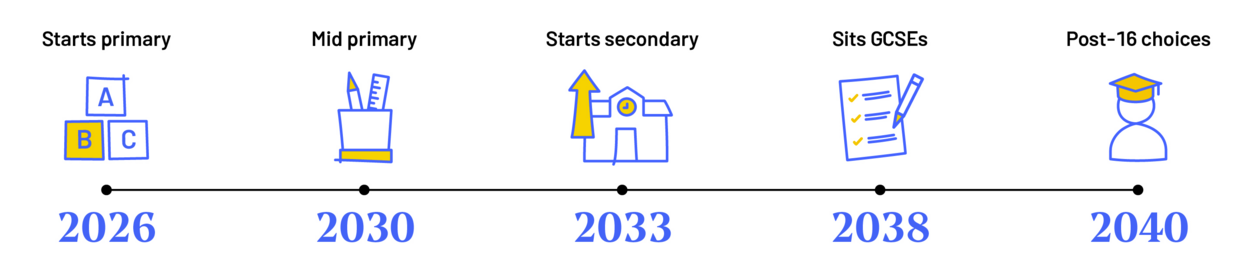
A child starting school today will be 18 in 2040
What changes before then will shape the future they grow into.
If we act now, by the time they reach adulthood, they'll be stepping into a future full of possibility – instead of one limited by inequality.
Some schools are already turning the tide
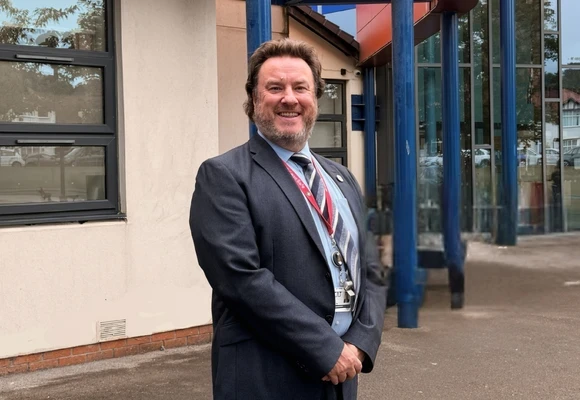
We are proud that those facing the toughest circumstances are able to achieve just as highly as their peers.
Alison Brannick
Principal, Landau Forte College, Derby

At Mulberry, girls receive an outstanding education. Leaders have successfully established a positive and aspirational culture.
Fatima El-Meeyuf
Principal, Mulberry School for Girls, Tower Hamlets

We work relentlessly to remove barriers and create the conditions for every young person to thrive.
Anna Richardson
Principal, Oasis Academy South Bank, Lambeth

In 2025 we were in the top 2% for attainment, rubbing shoulders with the nation's most famous private schools and selective grammars.
Joshua Fisher
Headteacher, Mercia School, Sheffield

We still have a long way to go, but we are proud of the progress we have made in ensuring that disadvantage does not define our pupils' aspirations or limit their futures.
Scott Doyle
Principal, Derby Moor Spencer Academy

Some don’t even have a table where they can sit and complete homework, and some don’t have a proper bed to sleep in.
Schools deserve greater support
Schools in the communities facing the greatest pressures are doing something remarkable — often without the resources, staffing or long-term backing they need.
The gap isn't a measure of schools falling short. It's a measure of a system that hasn't given them enough.
We're calling on government to fund these schools properly, expand specialist support, and commit to sustained investment in the communities that need it most.
Children facing persistent disadvantage can't wait.
Action is needed now.
What government needs to do next
Persistent disadvantage isn't inevitable. The right action now can help rewrite the future for children facing these barriers. Here are some of our key recommendations:
- Make persistent disadvantage visible
Introduce a formal definition and publish outcomes data so these pupils are visible within the system. - Target support where gaps are greatest
Direct regional improvements for standards and excellence (RISE) team support to schools where persistently disadvantaged pupils experience the weakest outcomes. - Invest in pupils and schools
Introduce a £180m persistent disadvantage premium, alongside investment to attract and retain strong leaders in these schools.


Working alongside schools
In addition to our calls on government, we’re partnering with schools and communities where the need is greatest to:
- Establish a headteacher working group
Bringing together school leaders to share what works — and shape an evidence base for the children who need it most. - Launch target areas pilots in Blackpool and Thanet
Deepening our support in areas where children face the greatest long-term barriers, with intensive local partnerships. - Mobilise our 20,000+ ambassador community
Bringing our network of teachers, leaders and advocates into the campaign — their voices matter as much as any policy document.
Together, these commitments turn evidence into action.
This is just the beginning. We’ll be sharing more research and insights, plus ways to get involved in our campaign, as we fight to give the children most in need the education they deserve.
Because no child’s educational success should be limited by their socio-economic background.
Together, we can rewrite the future
Join thousands making a difference for children facing persistent disadvantage.
Our campaign work
Educational inequality takes many forms, but the ambition remains the same: every child deserves the chance to thrive.
From tackling child poverty to addressing teacher shortages, our campaigns work alongside schools, pupils and partners to drive change where it matters most.